Building a commercial property in 2026 involves a combination of strategic planning, accurate cost estimation, and the right technology. Whether you’re a developer, an investor, or a contractor, understanding how much it costs to build a commercial building is crucial before breaking ground. Costs can vary dramatically depending on the type of construction, location, materials, and labor.
This comprehensive guide explains everything you need to know from how to estimate the cost of a commercial building to detailed commercial construction costs per square foot by region and building type.
How Do You Estimate the Cost of a Commercial Building?
Estimating the cost of a commercial building requires combining data from multiple categories: materials, labor, design, permits, land preparation, and contingencies.
In 2025, many contractors and investors will use modern construction tools, such as building construction estimator platforms like 247PRO Estimator, which automate cost calculations based on real-time market data. For those who may require specialized labor or want assistance with workforce management, working with a builder recruitment agency can help ensure access to skilled professionals, potentially reducing delays and cost overruns.
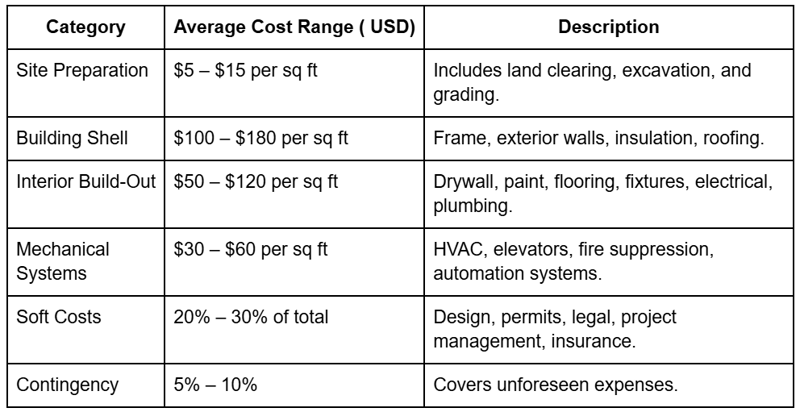
1. Major Cost Categories
Here’s how a typical breakdown looks when estimating:
2. The Role of Digital Estimation
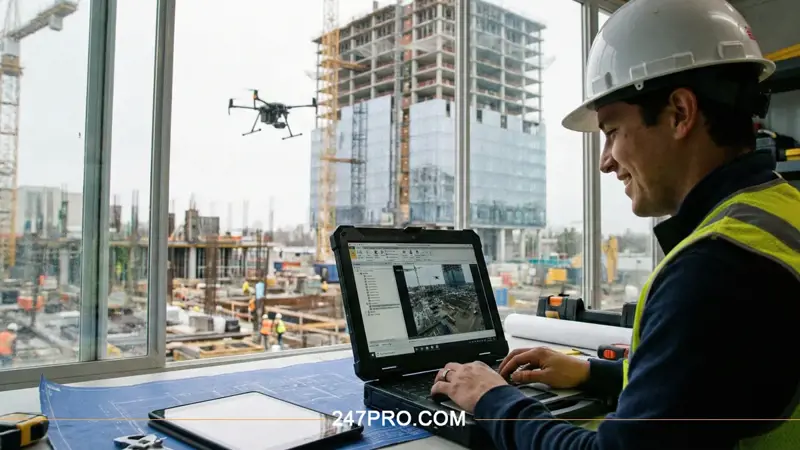
Manual estimation is time-consuming and prone to human error. Using a commercial building construction cost estimator like 247PRO helps contractors quickly model various scenarios changing building type, size, or region to get real time insights.
Such platforms also integrate with construction project management firms, allowing teams to connect estimation data with scheduling, procurement, and progress tracking.
Is It Cheaper to Buy or Build a Commercial Building?
This is one of the most common questions among investors. The answer depends on location, market conditions, and your long-term goals.
Buying an Existing Building
- Pros: Immediate occupancy, lower initial costs, established infrastructure.
- Cons: Limited customization, possible maintenance or renovation costs, outdated energy systems.
Building a New Commercial Property
- Pros: Full control over design and technology integration (e.g., energy efficiency, smart systems).
- Cons: Higher upfront costs, longer time to completion, potential market fluctuation risks.
In 2026:
- Average cost to buy an existing commercial property: $160 – $260 per sq ft.
- Average cost to build new: $200 – $450 per sq ft, depending on building type.
While buying may seem cheaper short term, building new often leads to better ROI because you can design for efficiency, sustainability, and long-term operational savings.
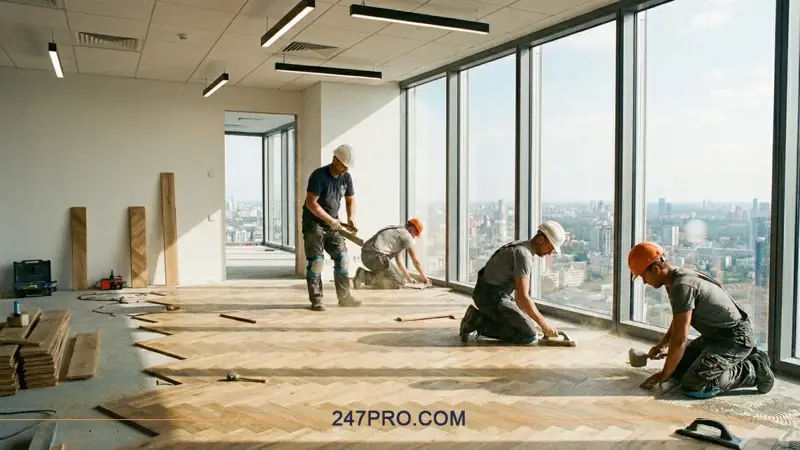
How Much Does It Cost to Build a Commercial Building Per Square Foot?
The cost to build a commercial property varies depending on several factors, including location, materials, and building type. For simpler structures like warehouses, the cost to build a pole barn can be more affordable compared to more complex designs, with prices ranging between $50 and $250 per square foot. However, more intricate buildings like medical facilities or office buildings will require higher investments, typically in the range of $400 to $600 per square foot.
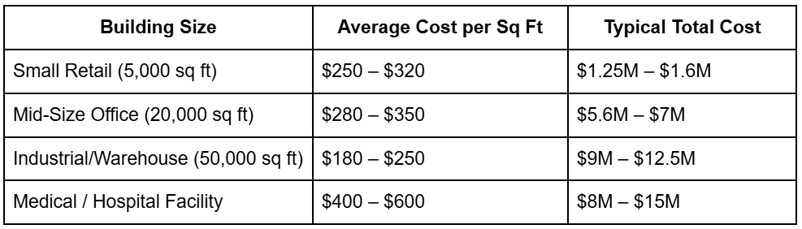
For more precise planning, investors should use digital cost to build warehouse calculators and integrate project estimates within a platform like 247PRO to track expenses and design alternatives.
How Much Does It Cost to Build a $50,000 sq ft Commercial Building?
For a 50,000 square-foot commercial structure, the cost varies widely depending on whether it’s a warehouse, retail center, or mixed-use property.
- Low-End Estimate: $9 million (basic warehouse or industrial shell).
- Mid-Range Estimate: $12 – $16 million (office or retail complex).
- High-End Estimate: $18 – $25 million (medical, educational, or advanced mixed use facility).
To calculate this accurately, contractors often rely on automated tools like building construction estimator apps or collaborate with builder recruitment agencies to match with specialized professionals who optimize cost and efficiency.
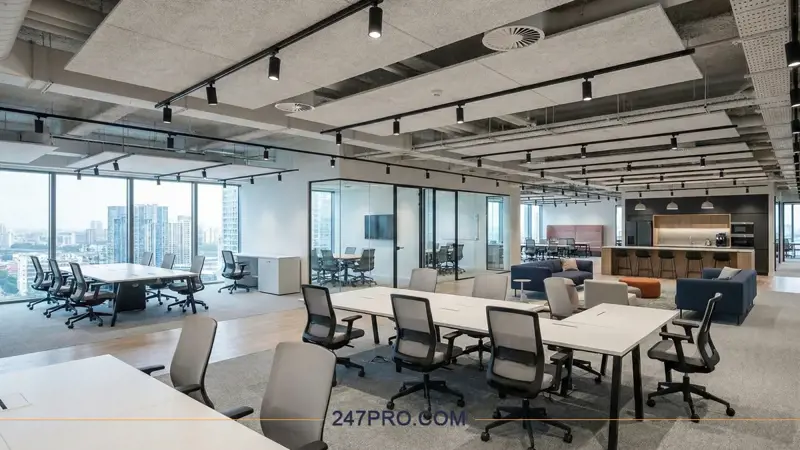
How Much to Build a 20,000 sq ft Building?
A 20,000 sq ft building typically costs between $5.6 million and $7 million on average in 2025.
This includes everything from foundation to interior finishes.
Cost Breakdown:
- Structure and Frame: $1.5M – $2.5M
- Mechanical Systems: $0.8M – $1.2M
- Interior Finishing: $1.2M – $1.8M
- Soft Costs: 20% – 25% of total ($1M – $1.5M)
Many general contractors in this range use construction project management firms to coordinate budgeting, bidding, and on site logistics ensuring that delays and cost overruns are minimized.
How Much Does a 10,000 sq ft Metal Building Cost?
Metal buildings are among the most cost effective commercial structures in 2026.
They are commonly used for warehouses, light manufacturing, and storage facilities.
- Average Cost: $180 – $250 per sq ft.
- Total Cost Range: $1.8 – $2.5 million.
Factors like insulation, door type, and roofing design can impact pricing.
For instance, pre engineered metal buildings from companies like Morton Buildings (see Morton buildings cost) typically have lower labor and construction time reducing total expenses by 10–15%.
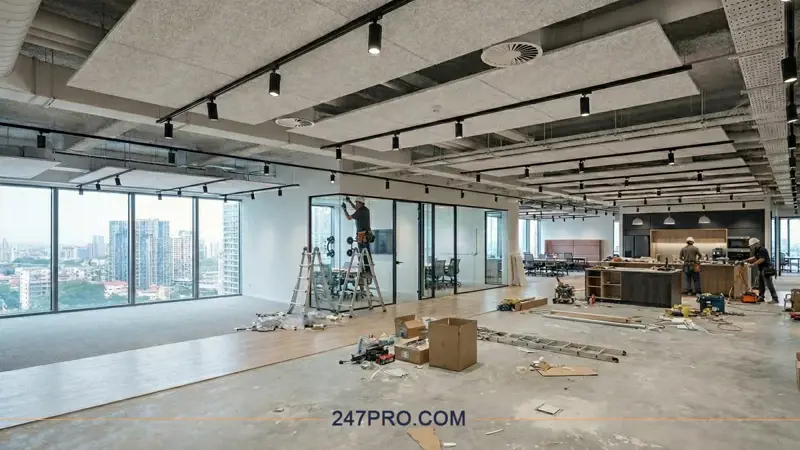
What Is the Average Cost of a Commercial Building?
The average cost to build a commercial building in 2025 across the U.S. is approximately $320 per square foot, but this can swing anywhere between $200 and $600 per square foot depending on design complexity, site conditions, and region.
Here’s a quick summary:
- Low-cost states: Texas, Arizona, Georgia fewer permitting requirements, lower labor costs.
- High-cost states: California, New York, Massachusetts high wages, energy codes, and urban construction constraints.
- National Average (all types): $250–$450 per sq ft.
When calculating your own estimate, remember to include land acquisition, permits, insurance, and site prep; these can easily add 15–25% to total cost.
A professional building construction estimator or digital estimation tool like 247PRO Estimator can help you identify which cost factors have the biggest impact in your specific project and region.
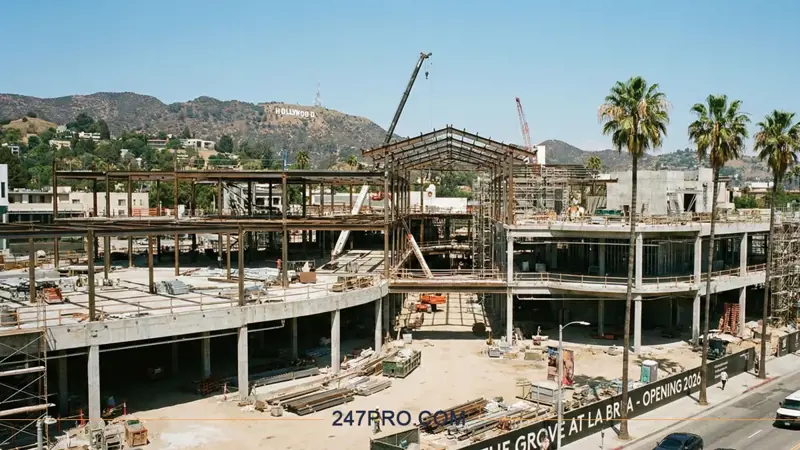
Commercial Construction Cost Breakdown
Let’s look at how a typical commercial building’s cost is distributed.
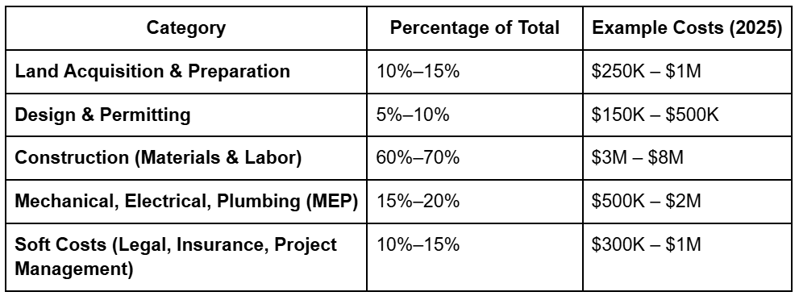
The contingency budget (usually 5–10%) should never be skipped. It helps manage risks such as design changes, weather delays, or material price fluctuations, something especially important in 2025’s volatile construction material market.
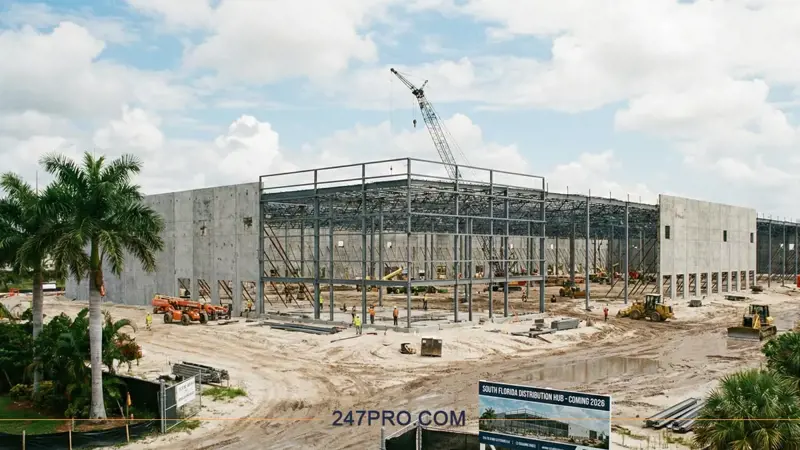
Commercial Construction Costs per Square Foot: By Building Type
Different types of commercial buildings have vastly different cost structures due to design complexity, finishes, and functionality requirements.
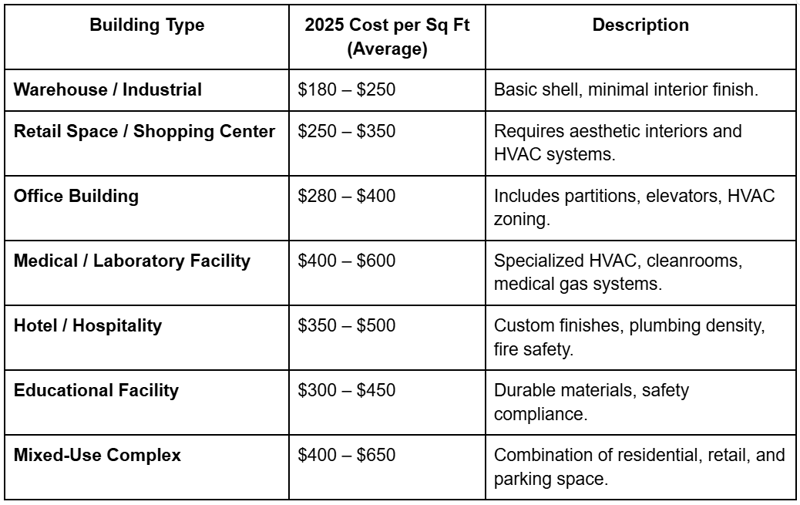
To manage these complexities, developers often work with construction project management firms that coordinate multiple subcontractors and ensure financial efficiency from design through commissioning.
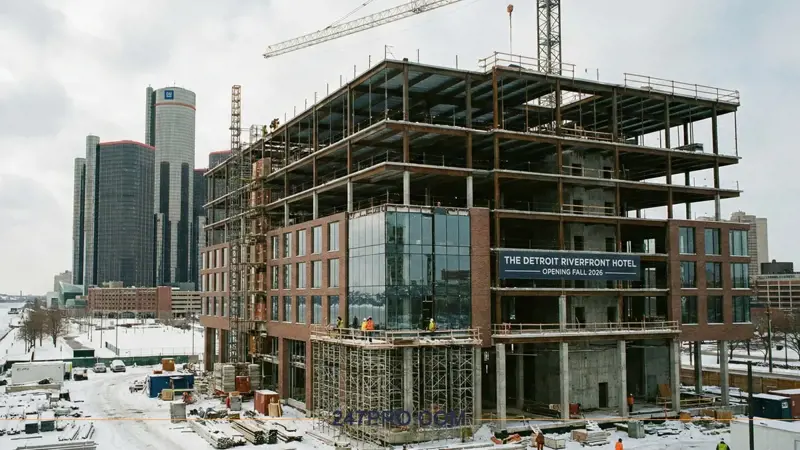
Commercial Construction Costs per Square Foot: By Region
Construction costs in the U.S. vary significantly by geography due to labor markets, climate, and permitting processes.
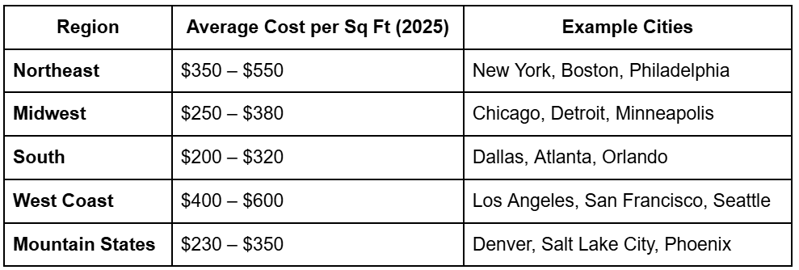
If you’re developing in multiple states, it’s smart to use a commercial building construction cost estimator integrated with 247PRO that automatically adjusts for regional labor rates, permitting timelines, and materials.
Why Commercial Building Costs Vary So Much
There’s no one size fits all price tag for commercial construction. Even within the same region, costs can vary based on:
- Material Choices: Steel vs concrete framing, energy efficient systems, local supply chain prices.
- Building Purpose: Retail or office spaces need higher quality finishes compared to warehouses.
- Labor Availability: Areas with skilled labor shortages tend to push costs higher.
- Design Complexity: Multi story or custom architectural designs add structural and mechanical complexity.
- Local Regulations: Zoning, permits, environmental reviews, and commercial building inspection costs differ by state.
Tip: Incorporate all these variables early in your planning phase. Using an online estimator or working closely with a construction project management firm allows you to model different cost outcomes before construction begins.
Modern Trends Influencing 2026 Costs
The construction industry in 2025 is experiencing three major shifts that directly affect cost per square foot:
- Sustainability and Green Standards: Many states require energy efficient designs (solar ready roofs, efficient HVAC). These add 5–10% upfront cost but reduce lifetime operating costs by 20–30%.
- Digital Transformation in Construction: Tools like 247PRO integrate estimation, bidding, and project scheduling helping teams avoid manual errors and budget overruns.
- Labor Market Tightness: Skilled trades like electricians, framers, and HVAC technicians remain in short supply, particularly in urban areas, pushing hourly wages up by 8–12% compared to 2023.
Commercial Building Insurance Costs and Appraisal Considerations
When it comes to commercial building construction, insurance and appraisals play a significant role in budgeting. While not technically part of construction costs, they can add a considerable amount to your total investment. Let’s break down both:
1. Commercial Building Insurance Costs
Commercial building insurance protects your investment during the construction process and after completion. Depending on your project, the cost of insurance can vary.
- Construction Insurance: Includes builder’s risk insurance, covering damages from fire, vandalism, or severe weather during construction.
- Cost Range: $1 – $3 per $100 of the construction cost.
- For example, if you’re building a $5 million project, your builder’s risk insurance might cost between $50K to $150K.
- Post Construction Insurance: After completion, standard commercial property insurance helps protect the building from risks like natural disasters, theft, and fire.
- Cost Range: $0.20 – $0.30 per $100 of the insured value.
- A building worth $2 million could cost between $4K to $6K annually.
2. Commercial Building Appraisal Cost
An appraisal is essential for understanding the market value of your commercial property, especially if you intend to sell, refinance, or lease it.
- Cost Range: $2,000 – $5,000.
- Appraisers assess the construction quality, local market conditions, and comparable properties. For larger buildings, especially in competitive urban markets, appraisal fees may be higher.
Insurance and appraisals should be factored into your soft costs, and not overlooked, as they significantly impact both your initial investment and the long term financial outlook of the property.
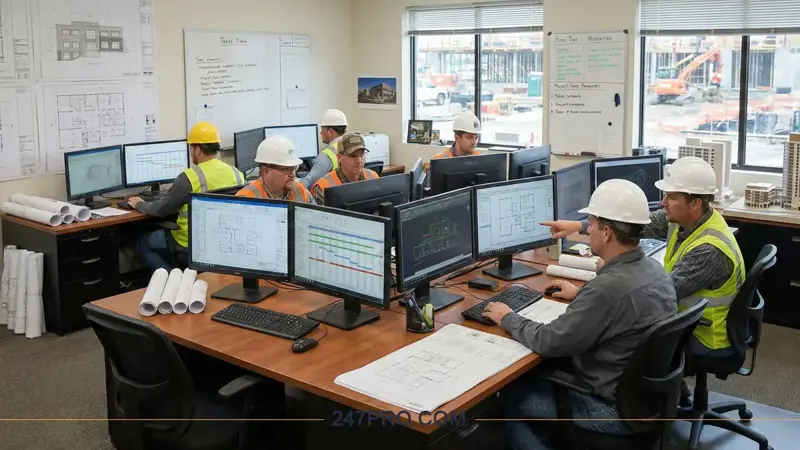
How to Save Costs When Building a Commercial Building?
There are several ways to cut construction costs without compromising quality or safety. Below are some strategies that can help you reduce expenses during the commercial construction process.
1. Choose the Right Materials
Material choices can have a huge impact on your budget. Opt for materials that offer long term value but keep initial costs down:
- Pre-fabricated components such as pre engineered steel buildings can be 20–30% cheaper than traditional construction.
- Energy efficient materials might cost more upfront but reduce operating costs in the long run.
2. Work with a Trusted Construction Project Management Firm
Collaborating with a construction project management firm can save you both time and money. These firms specialize in streamlining processes, reducing waste, and maintaining schedules. By ensuring every stage of your project is efficient, you reduce the risk of delays or unforeseen expenses.
- Cost Savings: By adhering to a detailed project timeline and staying on budget, you can avoid expensive penalties and delays. A good project manager can help you stay within 5-10% of your original cost estimate.
3. Use Technology and Estimation Tools
In 2025, using a commercial building construction cost estimator like 247PRO Estimator is an invaluable tool for reducing errors and speeding up the process. By inputting basic parameters (square footage, building type, location, etc.), you can quickly get a detailed cost breakdown and adjust for any changes in design or materials.
This technology helps you:
- Visualize multiple cost scenarios.
- Track real-time price fluctuations for materials and labor.
- Compare costs by region and building type.
4. Plan for Energy Efficiency
Incorporating green building practices can be an investment that pays off in the long run.
- Cost savings: Energy efficient buildings use less power, leading to lower energy bills. Over time, this can save property owners 20–30% in operating costs.
- Incentives: Many states offer tax credits, grants, or rebates for green buildings.
Examples of Costs for Different Types of Commercial Buildings
Let’s dive deeper into specific building types and how much it costs to construct them in 2025.
Warehouse / Industrial Buildings
- Total Cost to Build (2025): $2.5M – $12.5M for 50,000 sq ft
- Cost per Sq Ft: $50 – $250
- Average Total Cost: $5M
- Details: Basic shell with minimal finishes, concrete floors, steel framing, and open space for storage.
Office Buildings
- Total Cost to Build (2025): $5M – $20M for 20,000 sq ft
- Cost per Sq Ft: $250 – $400
- Average Total Cost: $10M
- Details: Includes advanced HVAC, custom flooring, multiple floors, office partitions, and elevators.
Medical Facilities / Hospitals
- Total Cost to Build (2025): $8M – $50M for 40,000 sq ft
- Cost per Sq Ft: $400 – $600
- Average Total Cost: $25M
- Details: High-quality materials, specific electrical systems, and advanced HVAC for maintaining clean environments.
Retail Buildings / Shopping Centers
- Total Cost to Build (2025): $2M – $15M for 25,000 sq ft
- Cost per Sq Ft: $150 – $350
- Average Total Cost: $7M
- Details: Includes detailed finishes, storefronts, HVAC, and ample parking areas.
Tip: Always factor in fluctuations in material prices (especially steel, concrete, and labor) as they can change year to year. The cost per square foot can increase by 10-20% in volatile markets.
Commercial Building Cost Per Sq Ft Regional Differences
Construction costs vary not only by building type but also significantly by region. Understanding the regional variations in costs helps project developers tailor their estimates and make informed decisions.
Northeast
- Cost Range: $350 – $550 per sq ft
- Cities: New York, Boston, Philadelphia
Factors: Urban density, high labor rates, and extensive permitting requirements make construction here more expensive.
Commercial Building Cost Per Sq Ft Regional Differences
Construction costs vary not only by building type but also significantly by region. Understanding the regional variations in costs helps project developers tailor their estimates and make informed decisions.
Northeast
- Cost Range: $350 – $550 per sq ft
- Cities: New York, Boston, Philadelphia
- Factors: Urban density, high labor rates, and extensive permitting requirements make construction here more expensive.
Northeast
- Cost Range: $350 – $550 per sq ft
- Cities: New York, Boston, Philadelphia
- Factors: Urban density, high labor rates, and extensive permitting requirements make construction here more expensive.
Midwest
- Cost Range: $250 – $380 per sq ft
- Cities: Chicago, Detroit, Minneapolis
- Factors: Lower labor costs and fewer regulations make the Midwest one of the more affordable regions for commercial construction.
South
- Cost Range: $200 – $320 per sq ft
- Cities: Dallas, Atlanta, Orlando
- Factors: More affordable construction and land acquisition costs.
West Coast
- Cost Range: $400 – $600 per sq ft
- Cities: Los Angeles, San Francisco, Seattle
- Factors: High regulatory and energy requirements, as well as high construction wages, drive up costs.
How to Build Smartly in 2026
The cost to build a commercial building is influenced by many factors: location, materials, and project complexity. In 2025, the best way to ensure that your project stays on budget is to leverage modern tools like the 247PRO Estimator, which allows you to access up to date pricing data and create more accurate project plans.
By working with construction project management firms and using digital tools to estimate costs, you can:
- Avoid unexpected cost overruns.
- Make better design choices that improve efficiency and cut costs.
- Increase your ROI by making the right decisions upfront.
Make sure to account for site preparation, insurance costs, appraisal fees, and soft costs when calculating your total investment. With the right tools and team, you can ensure a successful, cost efficient commercial construction project in 2025.
Ready to estimate your next commercial building project? Try the 247PRO Estimator tool today to get a detailed, real-time cost analysis.
FAQ
1. What factors affect the cost of building a commercial property?
The cost of building a commercial property depends on several key factors, including location, building type, materials, labor costs, design complexity, and required systems such as HVAC, electrical, and safety features.
2. How much does it cost to build a commercial property per square foot?
In 2025, the average cost to build a commercial property in the U.S. ranges from $250 to $450 per square foot, depending on location, materials, and the building’s purpose.
3. How can I estimate the cost of building a commercial property?
To estimate your project cost, consider land prices, material and labor costs, design fees, and permits. Using a digital estimation tool like 247PRO Estimator helps you create accurate and detailed cost breakdowns quickly.
4. Is it cheaper to buy or build a commercial building?
It depends on your goals and local market conditions. Building a new property often has higher upfront costs but provides better long-term ROI by allowing you to design for efficiency, layout, and sustainability.
5. How can I reduce construction costs?
Choose cost-effective materials, plan your design efficiently, work with experienced professionals, and use tools like 247PRO Estimator to compare pricing scenarios and avoid overspending.
6. How can I avoid unexpected costs during construction?
Set aside a 5–10% contingency budget, maintain a detailed project plan, and communicate regularly with your contractor to prevent design changes, delays, and surprise expenses.
7. What additional costs should I account for besides construction?
Additional costs can include land acquisition, permits, design fees, insurance, and regulatory expenses, which often make up 15–25% of the total project cost.
8. Why should I use digital tools like 247PRO Estimator?
Digital construction estimation tools help you save time, improve accuracy, and stay updated with regional cost data making it easier to control budgets, generate quotes, and plan projects efficiently.
9. Can using green or energy-efficient designs save money?
Yes. While eco-friendly materials and energy-efficient systems may cost more upfront, they can reduce operating expenses by 20–30% over time, providing long-term savings and sustainability.
10. How can I ensure my project is completed on time?
Work with a professional construction project management team to handle scheduling, budgeting, and coordination. This helps prevent delays and ensures the project stays on track and within budget.